Let’s Study & Analyze Your Requirement – Solar Plants

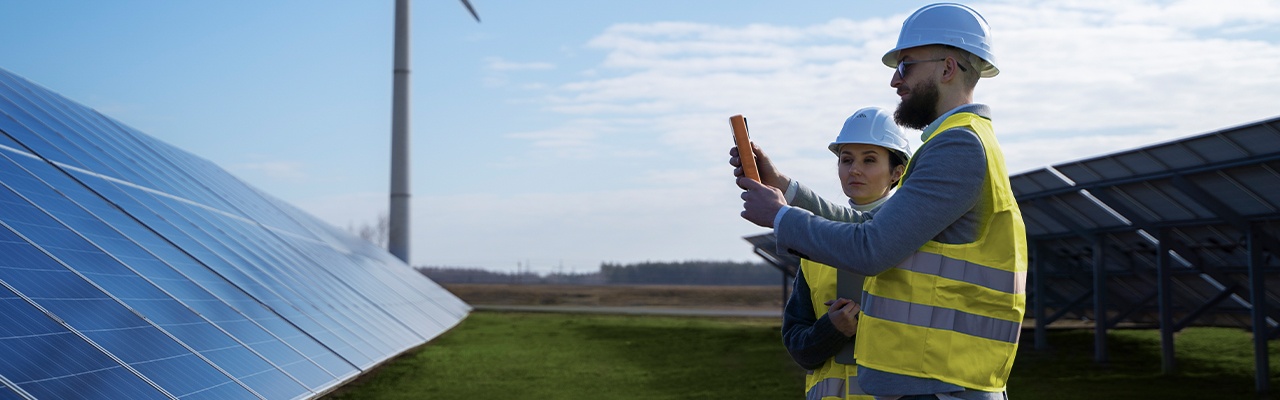
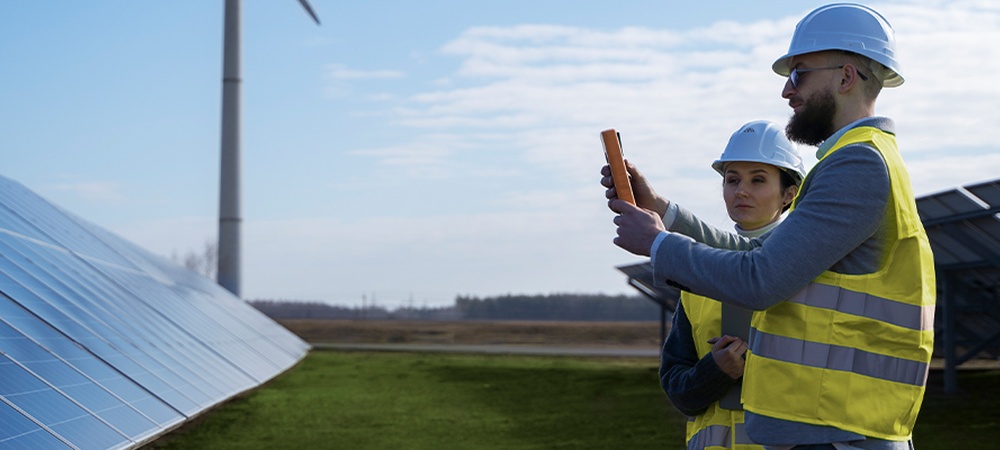
We offer the support of experienced solar engineers to help design and develop the right solar power solution for your home, business, or industrial project. Every solar installation is different, and a system that works well for one location may not be the best choice for another. That is why we take the time to understand your energy needs, available space, site conditions, and budget before planning the project. Our team conducts a detailed site survey to study the location and identify the best way to maximize solar power generation. Based on this analysis, we create a customized design that delivers the best performance, efficiency, and long-term savings. We also prepare a complete Bill of Materials (BOM) to ensure that the right components are selected for the project. Throughout the project, we carry out material inspections, quality checks, and project management activities to maintain high standards of safety and reliability. Our engineers supervise the installation process, monitor project progress, and ensure that all work is completed according to design specifications. Before handing over the system, we perform thorough testing, inspection, and commissioning to confirm that everything is operating correctly and efficiently. With our complete engineering support and professional guidance, customers can enjoy a smooth installation process and a solar power system that delivers dependable performance for many years.

Let’s Study & Analyze Your Requirement – Solar Plants


1. How to Do a Site Survey?


Before installing a solar plant, a thorough site survey is conducted. This involves checking your rooftop or ground area to assess how much space is available. We examine the direction of the sun and identify any shadows from trees, buildings, or other obstructions that could affect performance. We also inspect the roof’s strength and ensure there is enough space to safely fix wiring and other components. In addition, we analyze your electrical data, including the age and condition of existing wiring, possible leakage risks, and details about your appliances. This comprehensive assessment helps us design a safe, efficient, and reliable solar system tailored to your specific needs.


2. Important Things to Note


It’s important to check your average electricity bill for the past few months and understand your pattern of consumption. We also consider the number of family members and key appliances you use regularly, such as ACs, electric vehicles, geysers, and more. We ask if you want power backup during outages and whether you have any plans for future upgrades to your electrical load. Your budget, local weather conditions, and whether your electricity provider allows net metering (feeding extra power back to the grid) are also important factors. Additionally, we assess your roof type, any shadows cast by nearby structures or trees, and the height of your building. We carefully plan the ideal locations for installing the inverter, solar plant, cabling, earthing, and other components to ensure maximum efficiency, safety, and ease of maintenance. These details help us design the best solar system tailored to your specific needs.


3. Deciding the Type of Solar System


There are different types of solar plants. On-Grid systems work with your electricity connection and help reduce your bill by feeding excess power back to the grid; they are ideal for homes and businesses with reliable grid access. Off-Grid systems operate independently using batteries, providing reliable power backup during outages—perfect for remote areas or places with frequent power cuts. Hybrid systems combine both On-Grid and Off-Grid features, offering flexibility to save on energy costs while ensuring backup power when needed, suitable for homes and commercial setups looking for uninterrupted power. There are also systems with Micro Inverters, which optimize the performance of each panel individually and are especially useful when part of your roof is shaded. We help you choose the best system type based on your location, power needs, and budget.


4. How to Decide the Size (Capacity)?


We check how many electricity units you use every month. For example, if you use 600 units, a 5kW plant may be suitable for you. We also consider key appliances you use, the number of users or family members in your home, and any energy loss due to shading on your panels. Additionally, we assess how much sunlight your home receives and the available roof space. If you plan to add new appliances or an electric vehicle in the future, we factor that into the system size. We also check for any energy leakage in your existing electrical setup. If you want backup during power cuts, we help you choose the right battery size to provide power for 4 to 6 hours or more.


5. Wire Size and Equipment Quality


All parts of the solar plant should be of good quality. For wiring, AI (Aluminum) DC cables are commonly used for the low voltage side, while copper (Cu) AC cables ensure safe and efficient transmission on the high voltage side. For earthing, copper cables with a minimum size of 10 sq.mm are recommended to provide reliable grounding. Underground (UG) cables are also used for protecting wiring in external or buried installations. Cable gauges typically range from 4 sq.mm, 6 sq.mm, 8 sq.mm, and higher depending on the system size and current load. Using the correct cable size and type helps prevent overheating, reduces energy loss, and ensures the system operates safely and efficiently for many years. All components, including panels, inverters, batteries, and cables, must meet relevant safety standards to maintain system reliability and longevity.


6. Choosing the Right Brands


Good brands give better performance and longer life. For solar panels, we suggest Renew, Waaree, Vikram Solar, Adani, or RenewSys, most of which come with a 30-year warranty for lasting reliability. For inverters, brands like Deye, Fox Ess, Sungrow, Fronius, Growatt, and Luminous are very reliable and typically offer 5 to 10 years warranty. Micro inverters from Enphase come with an extended 25-year warranty (15 years standard plus 10 years extended), ensuring long-term performance. These trusted brands also provide excellent service support whenever needed.


7. Maintenance Tips


Solar plants require minimal maintenance, but regular care helps ensure they perform well and last longer. It’s important to clean the panels every 10 to 15 days to remove dust and debris that can reduce efficiency. Regularly monitor the inverter display to confirm the system is operating correctly. For systems with batteries, check that the batteries are clean, properly charged, and functioning well. Scheduling a professional technician visit once or twice a year for a comprehensive inspection and maintenance is highly recommended to keep your solar system in optimal condition.


Customization

Contrary to popular belief, Lorem Ipsum is not simply random text.

For Consultation

Contrary to popular belief, Lorem Ipsum is not simply random text.

Categories

Solar Power Plant Solutions
A solar power plant is a system that generates electricity by converting sunlight into electrical energy using solar photovoltaic (PV) cells. It is a clean, renewable, and widely accepted form of alternative energy that helps reduce dependence on fossil fuels. These systems are suitable for residential, commercial, and institutional use, offering an efficient and long-term solution to rising electricity costs. Solar power plants come in different types based on how they operate. On-grid systems are connected to the public electricity grid and can supply excess power back to it through net metering, helping reduce energy bills. Off-grid systems operate independently and use batteries to store energy for use when sunlight is not available, making them ideal for rural or remote areas. Hybrid systems combine both methods by using batteries and also connecting to the grid, ensuring power availability even during outages. Solar power plants are a smart investment for sustainable living and environmental responsibility. There are different types of solar power systems based on how they are connected to the electricity grid. An On-Grid System is connected to the main power grid and allows the user to send extra electricity back to the grid and use power from it when needed. However, it does not work during power outages. An Off-Grid System is not connected to the grid and uses batteries to store energy for use at any time, making it ideal for remote areas. A Hybrid System combines both on-grid and off-grid features, using both the grid and batteries, and provides power even during blackouts. Solar energy systems are a smart investment that offer long-term savings, low maintenance, and a greener future
Click to details

More...

Commercial Solar Water Heater
A Commercial Solar Water Heater is an efficient and cost-effective system that uses solar energy to heat water for commercial, institutional, and industrial applications. It is widely used in hotels, hospitals, hostels, resorts, apartments, educational institutions, factories, laundries, and food processing units where a large quantity of hot water is required every day.The system works by capturing sunlight through specially designed solar collectors installed on rooftops or open areas. The collected solar heat is then transferred to water and stored in highly insulated tanks, ensuring a continuous supply of hot water throughout the day. By utilizing free energy from the sun, businesses can significantly reduce electricity consumption, diesel usage, and fuel expenses associated with conventional water heating methods. Commercial Solar Water Heaters are available in a wide range of capacities, from a few hundred liters per day (LPD) to several thousand liters per day, allowing the system to be customized according to specific hot water requirements. Modern systems are built with durable materials, require minimal maintenance, and are designed to perform efficiently for many years. Apart from reducing operational costs, these systems are environmentally friendly as they help lower carbon emissions and decrease dependence on non-renewable energy sources. Investing in a commercial solar water heating system not only provides long-term savings but also supports sustainable and energy-efficient business operations. With professional design, installation, and maintenance support, businesses can enjoy a reliable and uninterrupted hot water supply while contributing to a greener future.
Click to details
Integrating the Most Suitable Solar Plant Technologies
We provide complete solar energy solutions by combining the latest technologies with high-quality components to deliver reliable, efficient, and long-lasting performance. Our team carefully selects the most suitable solar system based on your energy consumption, installation space, location, and budget to ensure maximum return on investment. We use advanced solar panel technologies such as Mono PERC, Bifacial, and TOPCon panels, which are known for their higher energy generation, improved efficiency, and better performance in different weather conditions. To optimize power conversion and system flexibility, we integrate modern micro inverters and hybrid inverters that help improve energy production while ensuring stable and uninterrupted power supply. Our solar installations also include smart monitoring systems that allow users to track power generation, energy consumption, and system performance in real time through mobile and web applications. For enhanced energy storage and backup, we offer high-performance lithium-ion battery solutions that provide longer life, faster charging, and better efficiency compared to conventional batteries. To ensure quality and durability, we work with trusted solar brands such as Waaree Energies, Vikram Solar, Adani Solar, Deye, and Enphase Energy. These industry-leading products help deliver dependable performance, improved safety, and long-term reliability. Whether for residential homes, commercial establishments, or industrial facilities, our solar power solutions are designed to maximize energy output, reduce electricity costs, and minimize maintenance requirements. By adopting modern solar technology, customers can enjoy greater energy independence, long-term savings, and a cleaner, more sustainable source of power for years to come.
Click to details
Design & Develop the Most Appropriate Solar Power Plant
We design and install solar power systems that match the energy needs of your home, office, shop, or business. Our team carefully studies your electricity usage, available roof space, location, and budget to recommend the most suitable solar solution for you. Whether you need an On-Grid system to reduce electricity bills, an Off-Grid system for areas with limited power supply, a Hybrid system with battery backup, or a Micro Inverter setup for improved performance, we help you select the right option with confidence. We work with reliable and well-known brands such as Luminous Power Technologies, Tata Power Solar, Havells, Vikram Solar, and Microtek to ensure quality, durability, and dependable performance. Our installations use advanced solar technologies, including high-efficiency TOPCon solar panels, modern hybrid inverters, and smart monitoring systems that allow you to track power generation and energy savings in real time. From site inspection and system design to installation, testing, and after-sales support, we handle every step of the process professionally. Solar systems require very little maintenance, and our team is always available to assist whenever needed. By switching to solar energy, you can lower electricity costs, reduce dependence on the grid, and enjoy a clean, renewable source of power for many years to come. We make the entire transition simple, safe, and cost-effective, helping you get the maximum value from your solar investment.
Click to details